About C4AT
Making access work in real life
The Center for Accessible Technology (C4AT) is a disability-led nonprofit working to expand access to technology and the digital world for people with disabilities.
For more than four decades, we have worked with people with disabilities, families, schools, businesses, government agencies, and organizations to find practical ways to remove barriers and make technology more accessible and useful.
Today, our work spans assistive technology, digital accessibility, policy and advocacy, and community.
Our Mission
Our mission is to expand access to technology for people with disabilities by:
- Helping people find and use technology
- Making digital products more accessible
- Advancing policies that support equitable access
- Connecting people with knowledge and resources
Our History
More than four decades of making technology work for people
C4AT began with a simple idea: people with disabilities should benefit from new technology. What began as a small group exploring the possibilities of personal computers has grown into an organization working across individual access, digital accessibility, public policy, and community. Technology has changed dramatically. Our commitment to practical access has not.
-
1983
It starts with a question: Can this technology work for us?
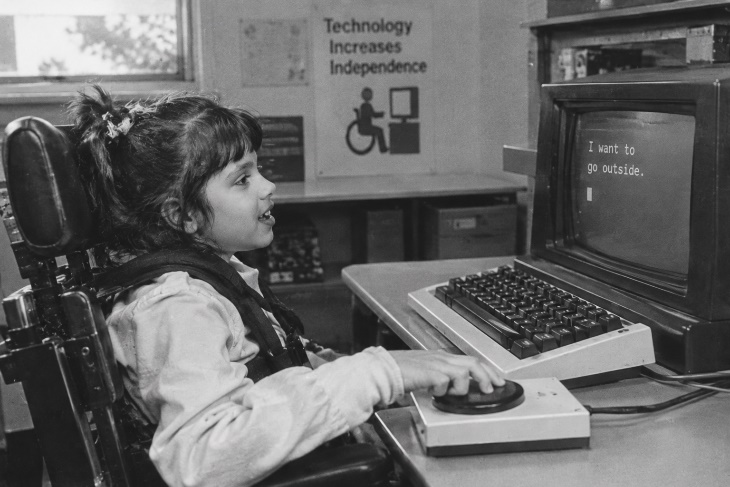
As personal computers entered homes and schools, parents Jackie and Steve Brand explored how technology could help their daughter access the world around her. They soon joined with other parents, educators, developers, and people with disabilities to create the Disabled Children’s Computer Group (DCCG) in Berkeley.
From the beginning, the mission was practical: explore emerging technology, share what worked, and help families and educators use computers to support communication, learning, independence, and participation.
-
Early Years
A Community Grows
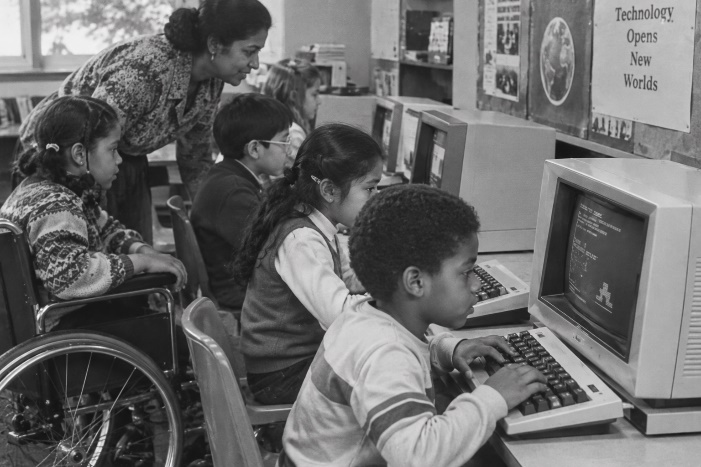
DCCG quickly became a hub for families, educators, technology professionals, and people with disabilities to explore emerging assistive technology. Through demonstrations, workshops, and hands-on support, the group helped people discover what technology could make possible.
The Berkeley model inspired technology access centers across the country and helped shape the Alliance for Technology Access, a national network that grew to nearly 40 centers. The vision remained simple: make technology accessible, practical, and community-driven.
-
1990s
From a local innovation to lifelong access.
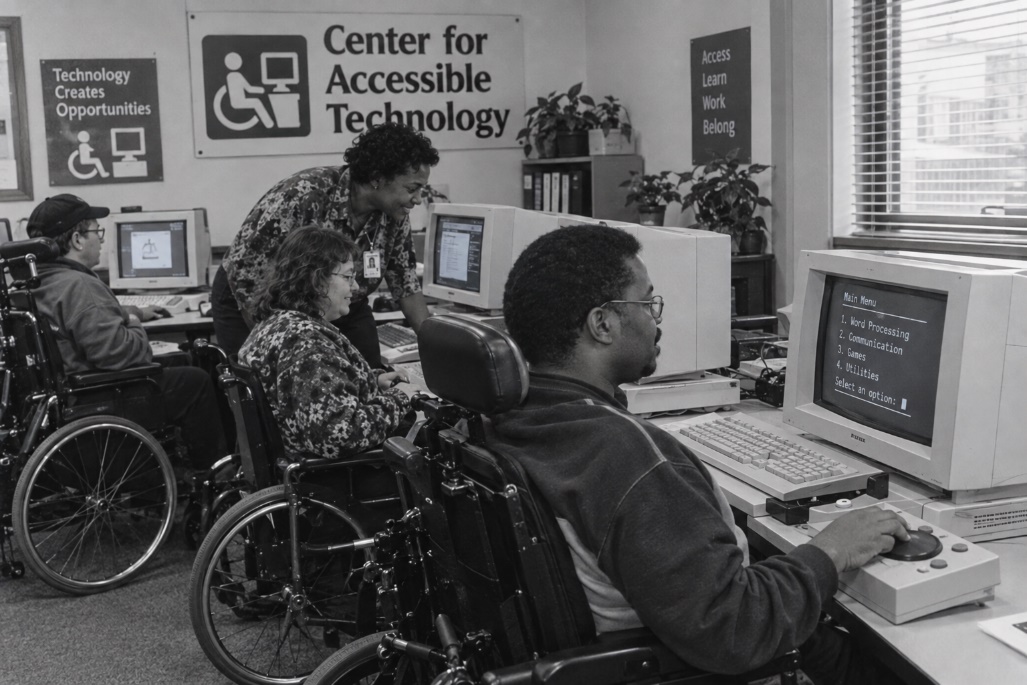
Technology was changing, and so was the community coming to us for help. The organization expanded beyond its original focus on children, increasingly serving adults with disabilities as well as families, educators, schools, employers, and other organizations.
To reflect this broader mission, the Disabled Children's Computer Group became the Center for Accessible Technology. The new name reflected a principle that continues to guide us today: access to technology matters throughout a person's life.
-
2001
Accessibility Goes Digital
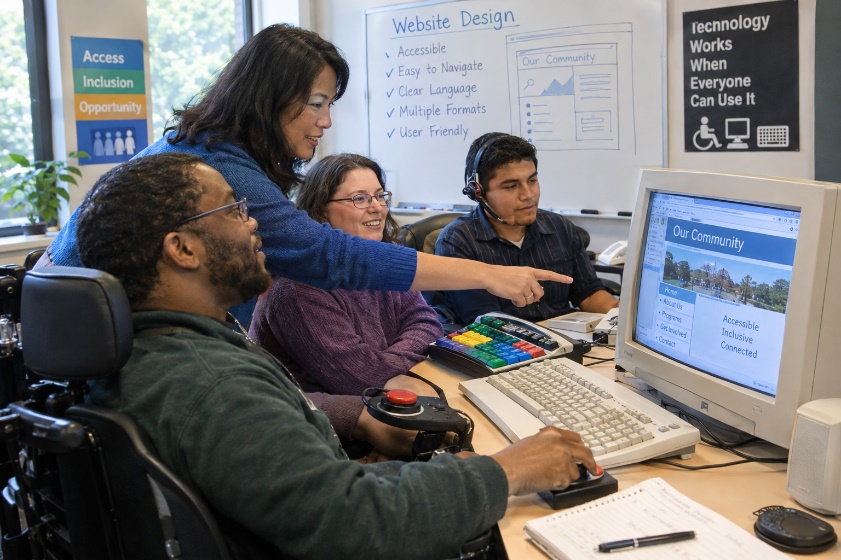
As the internet became part of everyday life, C4AT expanded its work beyond assistive technology to help organizations make digital experiences accessible. Through website evaluations, product reviews, and usability testing with people with disabilities, we helped shape more inclusive technology.
By combining accessibility expertise with the lived experiences of people with disabilities, C4AT laid the foundation for the digital accessibility work that continues today.
-
2010
Expanding Access Through Community
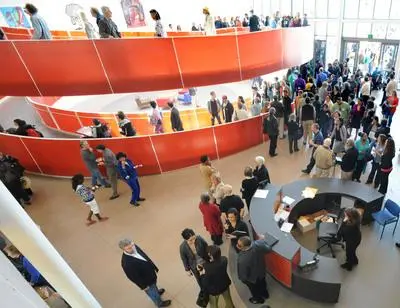
In 2010, C4AT joined the Ed Roberts Campus, strengthening our connection to the disability community and extending the reach of accessible technology through education, resources, and collaboration. This new home reinforced a core belief: access grows when knowledge, expertise, and lived experience are shared.
-
2011
From Individual Solutions to Systems Change
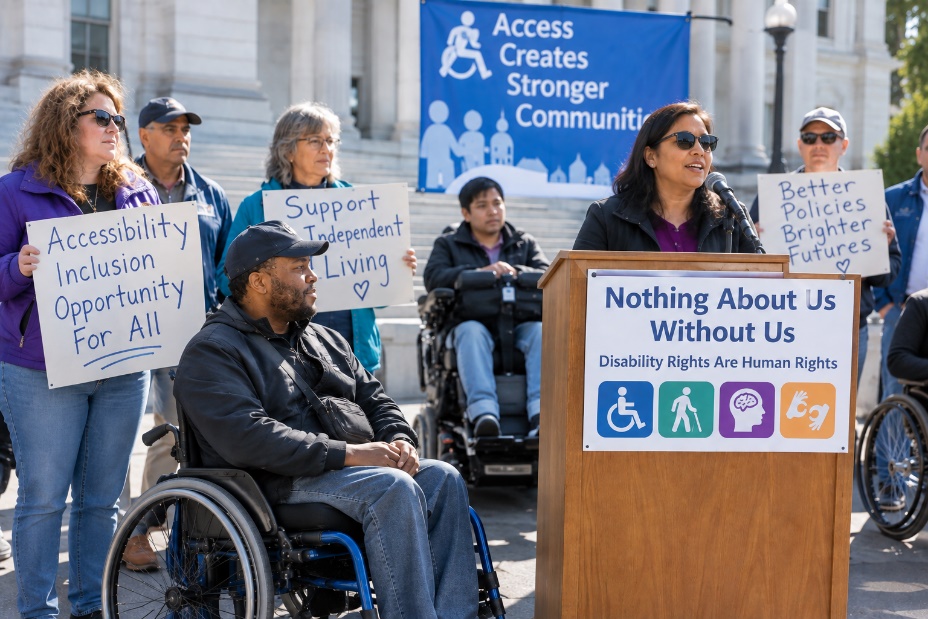
Building on decades of helping individuals access technology, C4AT expanded into policy and advocacy to address barriers at a broader scale. By bringing disability perspectives into decisions about communications, energy, and other essential services, C4AT’s legal team works to ensure accessibility is built into the systems people rely on every day.
-
2019
Recognized for public service.
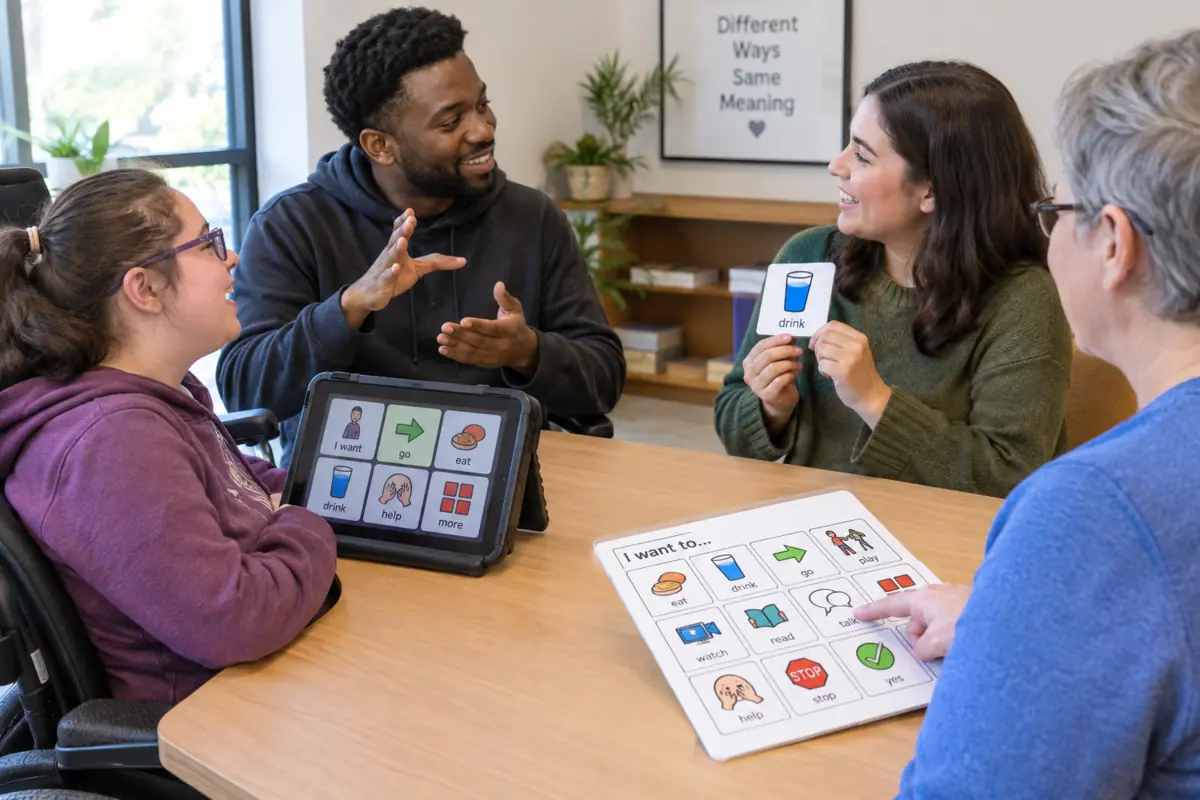
The California Speech-Language-Hearing Association honored C4AT with its Celebration of Excellence Public Service Award, recognizing our contributions to people with communication and access needs.
C4AT Today: Access at Every Level
Technology has changed enormously over more than four decades; so has C4AT. Today, we advance access through assistive technology, digital accessibility, policy and advocacy, and community programs.
The barriers have changed. The tools have changed. But our mission remains the same:
Remove barriers. Share knowledge. Make technology work for people.
C4AT Team Leads
Lisa Stringer
Executive Director
Lisa Stringer is the Executive Director of the Center for Accessible Technology, leading the organization from its home at the Ed Roberts Campus in Berkeley. She brings years of Bay Area nonprofit leadership to guiding C4AT's teams and partnerships as they expand access to technology for people with disabilities.
Jen McDonald-Peltier
Assistive Technology Team Lead
Jen is a longtime assistive technology specialist at C4AT, helping people of all ages and abilities find and use the tools that fit their lives. She brings particular depth to the complex, multi-need situations that off-the-shelf solutions rarely solve.
Jen holds certification from the Rehabilitation Engineering and Assistive Technology Society of North America (RESNA) and is a credentialed teacher.
Julia Petchey
Digital Accessibility and User Research Team Lead
Julia leads C4AT's digital accessibility work, helping organizations make their websites and apps usable by everyone. The Digital Accessibility and User Research Team pairs review against the Web Content Accessibility Guidelines (WCAG) standard with hands-on testing using the assistive technologies people rely on every day.
Julia is a Certified Professional in Web Accessibility (CPWA).
Melissa Kasnitz
Policy Team Lead
Melissa is an attorney and C4AT's legal director, representing people with disabilities in the decisions that shape essential services. A member of the California bar with a background in disability civil rights law, she brings the community's perspective to proceedings before state regulators.
Board of Directors
C4AT is guided by a volunteer board that brings experience from nonprofits, education, technology, and the disability community.
- Katy MorsonyBoard President
- Sarah Stapleton-GraySecretary
- Lisa WahlTreasurer
- Sara Armstrong
- Ray Grott
- Todd Groves
- Sharda Pajuli
- Travis Winfrey
- Judith RogersEmeritus
Let's make technology work for everyone.
As a nonprofit, C4AT depends on your support. Your gift keeps assistive technology, accessible design, and advocacy within reach for people with disabilities across California.